

Everything Mani. Your guide to the Mani Peninsula
Discover the Mani Peninsula in southern Greece with local places to stay, eat, and explore.
Explore by village
Pick your base and see everything nearby.
Places to discover
Places to stay, eat and explore, different every time you visit.
Browse by category


Plan your trip
The whole Mani on one map
Every place to stay, eat and explore, from Kalamata to Cape Tainaron.
Guides and articles
Local tips, written in the Mani.
The Mani Peninsula: a local guide
The Mani Peninsula is the wild middle finger of the southern Peloponnese in Greece, between the Messinian and Laconian gulfs, about an hour’s drive south of Kalamata. Everything Mani is a local guide written from West Mani: where to stay, eat and explore, plus practical tips from people who live here all year.
Where is the Mani?
The Mani runs south from Kalamata and Gythio to Cape Tainaron, the southernmost point of mainland Greece. The Taygetos mountains form its spine, rising to over 2,400 metres at Profitis Ilias, so the coast road is squeezed between steep slopes and the sea. Most visitors fly into Kalamata, or drive about three and a half hours from Athens.
West, Inner and East Mani
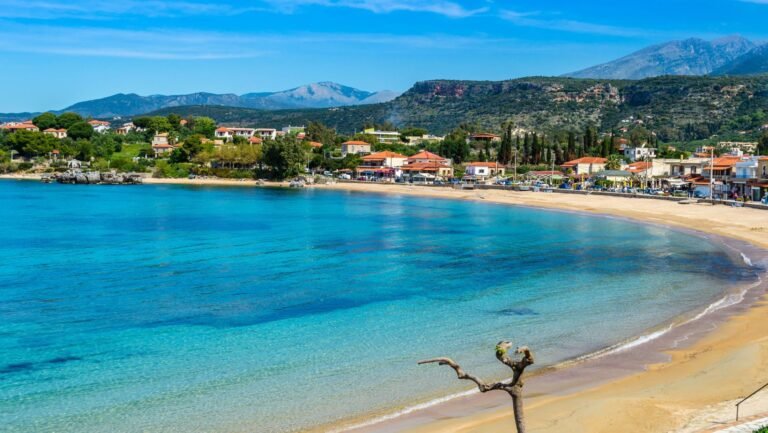
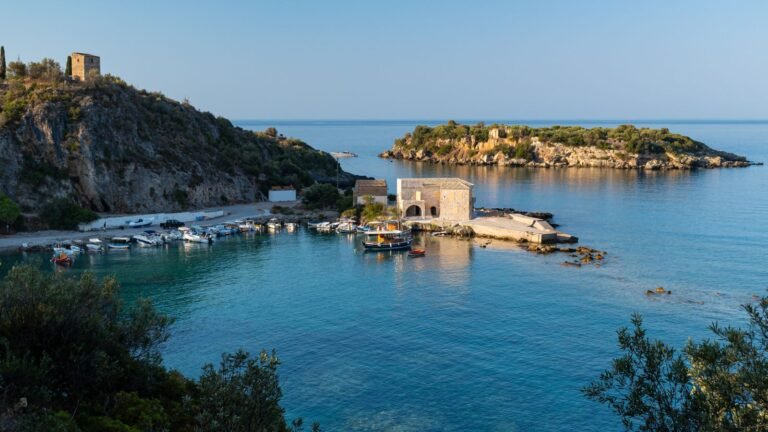
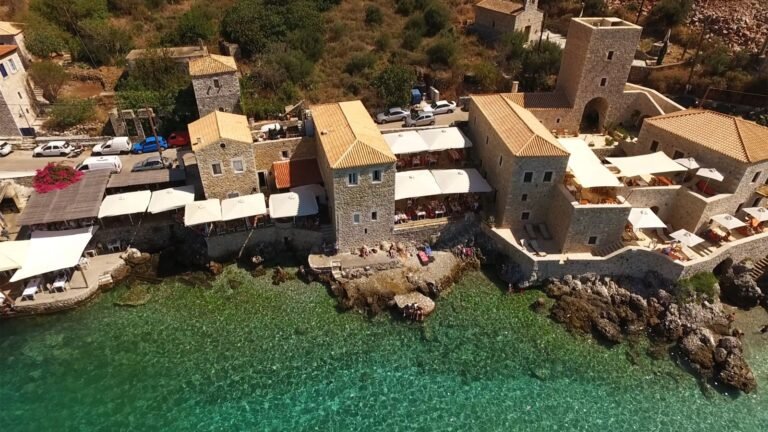
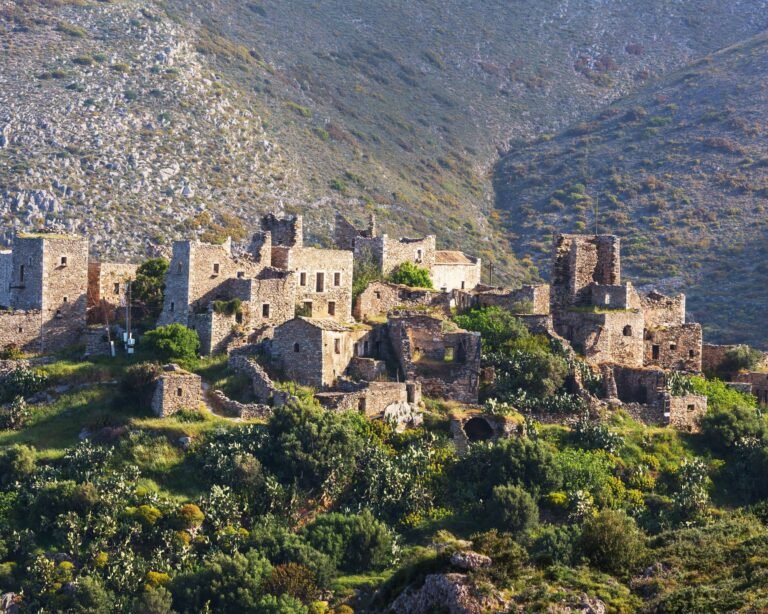
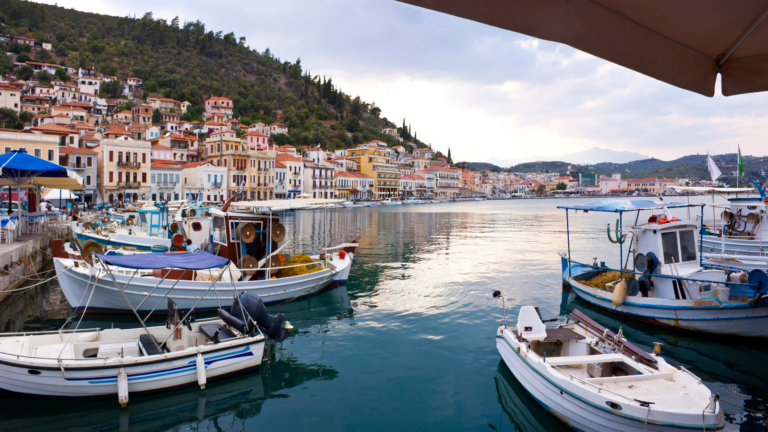
West Mani, around Kardamyli, Stoupa and Agios Nikolaos, is the greenest part, with olive groves, sandy and pebble beaches and the widest choice of places to stay. Inner Mani, south of Areopoli, is rocky and dramatic, full of stone tower villages such as Vathia. East Mani looks out over the Laconian Gulf from Gythio down to quiet bays like Kotronas.
What the Mani is known for
Stone tower houses built by feuding clans, hundreds of small Byzantine churches, the boat ride through the Diros Caves, and the walk to the lighthouse at Cape Tainaron, once believed to be a gate to Hades. On 17 March 1821 the revolution against the Ottomans was declared in Areopoli. The Mani is also famous for its olive oil, thyme honey and clear, cool sea.
When to visit and how long to stay
May, June and September are ideal: warm sea, quieter beaches and comfortable temperatures for walking. July and August are hot and lively, with village festivals most weekends. Plan at least a week to see both West and Inner Mani; many people split their stay between the two. Read our complete Mani travel guide to start planning.
Mani Peninsula: frequently asked questions
Where is the Mani Peninsula?
The Mani is in the south of the Peloponnese in Greece, the middle of its three southern peninsulas, between the Messinian and Laconian gulfs. It stretches from Kalamata and Gythio down to Cape Tainaron.
How do I get to the Mani?
Fly to Kalamata Airport, which has summer flights from across Europe, then drive: about 50 minutes to the first villages of West Mani and around two hours to the far south. Gythio and East Mani are about an hour and a half away. From Athens it is about three and a half hours by car. Buses are limited, so most visitors hire a car or book a transfer. See how to get to the Mani.
When is the best time to visit the Mani?
May, June and September give warm sea, fewer crowds and pleasant temperatures. July and August are the hottest and busiest months. Spring is best for walking and wild flowers, and October is often still warm enough to swim.
Where should I stay in the Mani?
Stoupa is best for sandy beaches and families, Kardamyli for village charm and walking, Areopoli and Limeni for towers and history, and Gerolimenas for the remote deep south. See our guide to where to stay in the Mani.
Do I need a car in the Mani?
A car is strongly recommended. Villages are spread out, buses are infrequent and many beaches, villas and sights are only reachable by road. If you stay in the centre of Stoupa or Kardamyli you can manage on foot for a few days.
Are there sandy beaches in the Mani?
Yes. Stoupa and Kalogria in West Mani have soft sand and shallow water, and there are long sandy beaches around Gythio, such as Mavrovouni. Elsewhere most Mani beaches are pebble or rocky coves with very clear water. See the best beaches in the Mani.
Is the Mani good for families?
Yes. Sandy, shallow beaches in both West and East Mani, short drives between villages and relaxed family-run tavernas make it easy with children, and there are boat trips, snorkelling, caves and easy coastal walks to fill the days.
What is the Mani famous for?
Its stone tower houses, Byzantine churches, the Diros Caves, Cape Tainaron, the 1821 revolution declared in Areopoli, and its olive oil and thyme honey. Read about the history of the Mani.